If you’re thinking about moving to Etobicoke, you’re already ahead of a lot of people. This part of Toronto gets overlooked sometimes, overshadowed by flashier neighbourhoods closer to the core, but the people who actually live here tend to stay for years. That tells you something.
I’ve helped a lot of buyers and renters settle into Etobicoke over the years, and the same thing comes up in almost every conversation: they didn’t realize how much space they’d get for the money. That changes things pretty quickly.
This guide breaks down what you actually need to know before you commit: the neighbourhoods, the transit options, the schools, the green spaces, and what daily life looks like once the boxes are unpacked.
Is Etobicoke a Good Place to Live?
Short answer: yes, for the right person. Etobicoke Ontario sits in the western part of Toronto, and it offers something that’s genuinely hard to find in this city. Room to breathe without sacrificing access.
You get detached homes on real lots, tree-lined streets, and a community feel that’s mostly gone from the downtown core. At the same time, you’re still inside the City of Toronto. Your address says Toronto. You have access to TTC routes, the same city services, and a quick shot down the Gardiner Expressway when you need it.
The trade-off is that Etobicoke isn’t as walkable as Leslieville or the Annex. If you don’t have a car, you’ll want to be near a subway station. But for families or anyone who wants space over streetcar proximity, it’s one of the best values left in the city. If you want a longer breakdown of what residents say about the area, I’ve written a full post on living in Etobicoke that gets into more of the day-to-day details.
Living in Etobicoke vs. Mississauga: What’s the Difference?
This question comes up a lot, especially from buyers who are weighing both options. Mississauga has the edge on affordability in certain pockets, and the transit infrastructure has improved a lot in recent years. But Etobicoke keeps your Toronto address, which matters to some buyers, both for resale value and for practical reasons like proximity to downtown employers.
Etobicoke residents also tend to have faster downtown commute times than those coming from Mississauga, particularly if you’re near the Bloor-Danforth or Kipling stations. For residents who need to get to Bay Street or the Financial District, those five minutes can actually add up over a year.
Housing costs sit somewhere between central Toronto and the suburbs. You’ll pay more than Mississauga in most cases, but you’ll get more than Liberty Village or midtown for the same budget.
The Best Neighbourhoods in Etobicoke
Etobicoke covers a lot of ground. The experience of living in Long Branch is completely different from living near Islington City Centre West, so it’s worth knowing what each area actually offers before you narrow your search. For a deeper look at how neighbourhoods compare, check out this guide to the best neighbourhoods in Etobicoke.
South Etobicoke and the Lakeshore
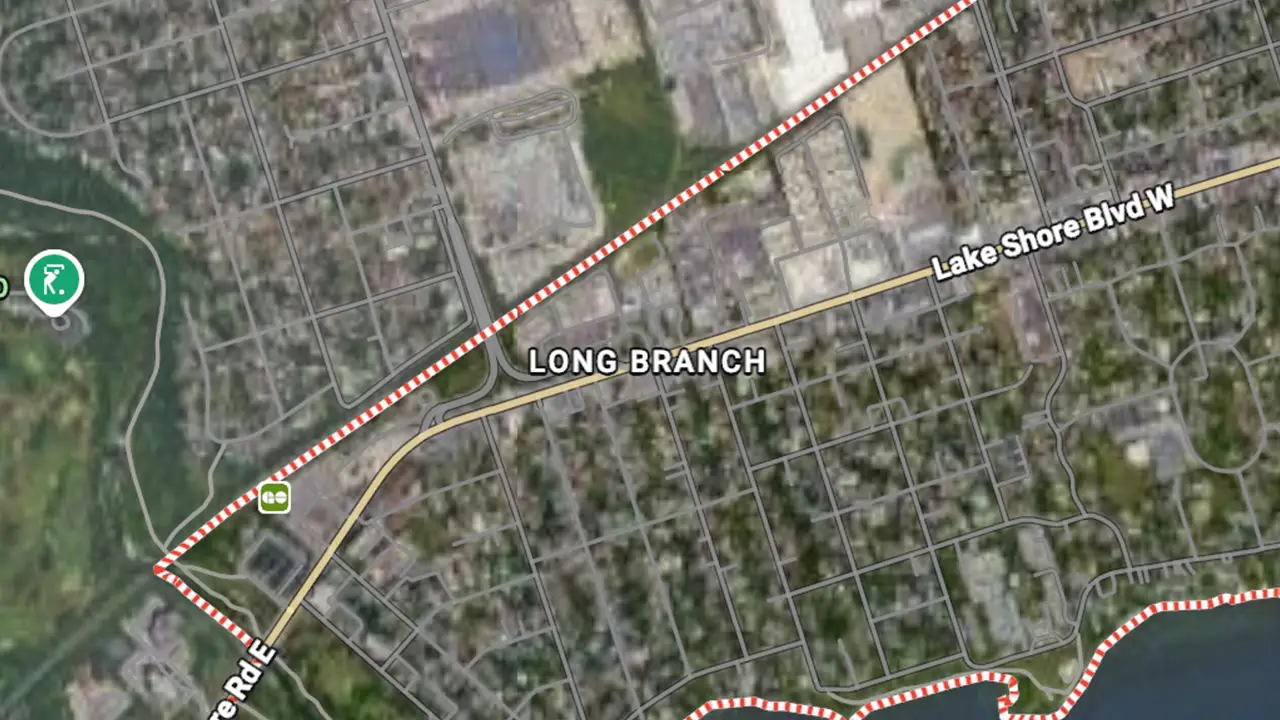
South Etobicoke runs along Lake Ontario and includes communities like Long Branch, New Toronto, and Mimico. This stretch along Etobicoke Lakeshore has changed a lot in the past decade. Waterfront condos have popped up beside older bungalows, which means a diverse range of housing at different price points.
The big draw here is access to the waterfront. Humber Bay is just east of the community, and the Martin Goodman Trail gives you a dedicated cycling and walking path all the way into downtown Toronto. If outdoor recreation matters to you, this is one of the best locations in the city.
Restaurants, coffee shops, and local services have caught up with the growth too. Lake Shore Boulevard has become a real main street, not just a road you drive through.
Islington City Centre West
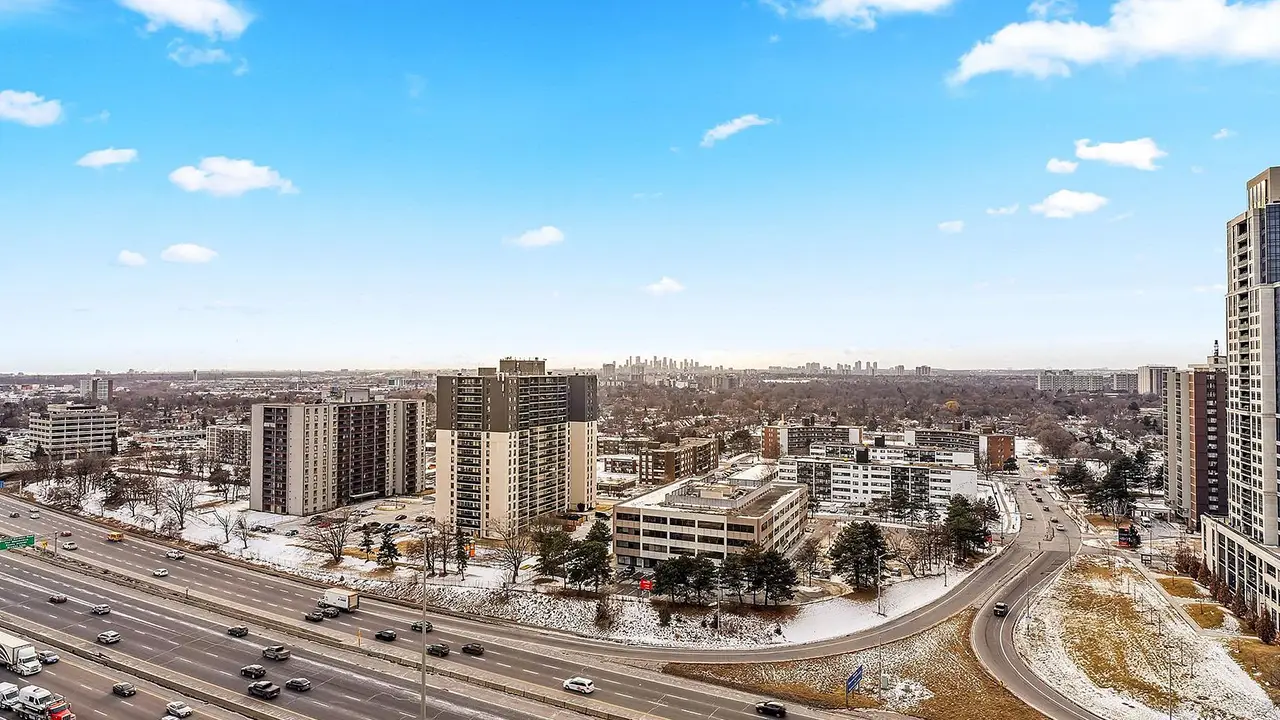
This is a central Etobicoke hub that has absorbed a lot of the density that didn’t fit into downtown. There are newer condo towers here, but also older mid-rises and townhomes for buyers who want something in between. The Islington subway station makes it one of the most transit-connected parts of Etobicoke, with easy access to both the Bloor line and GO service.
It’s a good option if you want a neighbourhood feel but still need reliable public transit without relying on a car.
Humber Bay and Mimico
Humber Bay sits right at the mouth of the Humber River, where it meets Lake Ontario. The parks here are some of the best in the city. You’ve got Humber Bay Park on both sides of the river mouth, with unobstructed views of the Toronto skyline and easy access to the water.
The housing mix includes both waterfront condos and older residential streets further north. Younger buyers and first-time condo owners have been drawn here for the combination of price and location. If Mimico specifically is on your radar, I’ve put together a separate post on living in Mimico that covers the neighbourhood in more detail.
North Etobicoke
North Etobicoke gets less attention than the lakeshore communities, but it offers some of the most spacious homes in the entire city at prices that are still reasonable by Toronto standards. Neighbourhoods like Thistletown and Rexdale have larger lots, quieter streets, and strong community ties. The area is more car-dependent, but for families who want a backyard and good schools without leaving the city, it’s worth a look.
Green Spaces and Outdoor Recreation
One thing Etobicoke does better than most parts of Toronto is parks. Centennial Park in the west end is over 200 hectares and includes sports fields, a golf course, and one of the best outdoor skating rinks in the city. It doesn’t feel like a city park. It feels like a destination.
The Humber River runs from north to south through the community, and the trail system along it gives you kilometres of walking, cycling, and running paths that connect all the way to the lake. This kind of easy access to nature inside city limits is what a lot of buyers don’t expect until they actually live here.
Getting Around: Transit Options and Major Highways
Etobicoke works well for drivers. You’ve got the Gardiner Expressway running along the southern edge, Highway 427 cutting north-south through the middle, and the 401 across the top. Pearson Airport is practically next door, five minutes from most of north Etobicoke. If you travel for work, that proximity is worth a lot.
For transit, the picture is mixed. The Bloor-Danforth subway line runs through the south on Royal York, Islington, Kipling, and other stations, which gives that corridor strong connectivity. TTC routes serve most of central Etobicoke reasonably well. The further north you go, the more car-dependent things get. That’s just the reality.
GO Transit service through Mimico and Long Branch stations connects south Etobicoke to Union Station faster than the subway in peak hours.
Etobicoke Schools and Families
Good schools are one of the main reasons families end up here. The Toronto District School Board and the Toronto Catholic District School Board both have solid options throughout the community. There are also private school options and French immersion programmes for families who want those.
The combination of spacious homes, parks, and schools is why Etobicoke consistently attracts young families who have outgrown condos or rentals in the downtown core. The transition from a one-bedroom on King Street to a detached home in Etobicoke is a story I’ve seen play out dozens of times. If you’re at that stage and thinking about buying, this guide to buying a home in Etobicoke walks you through what to expect in the current market.
What Does Housing Actually Cost?
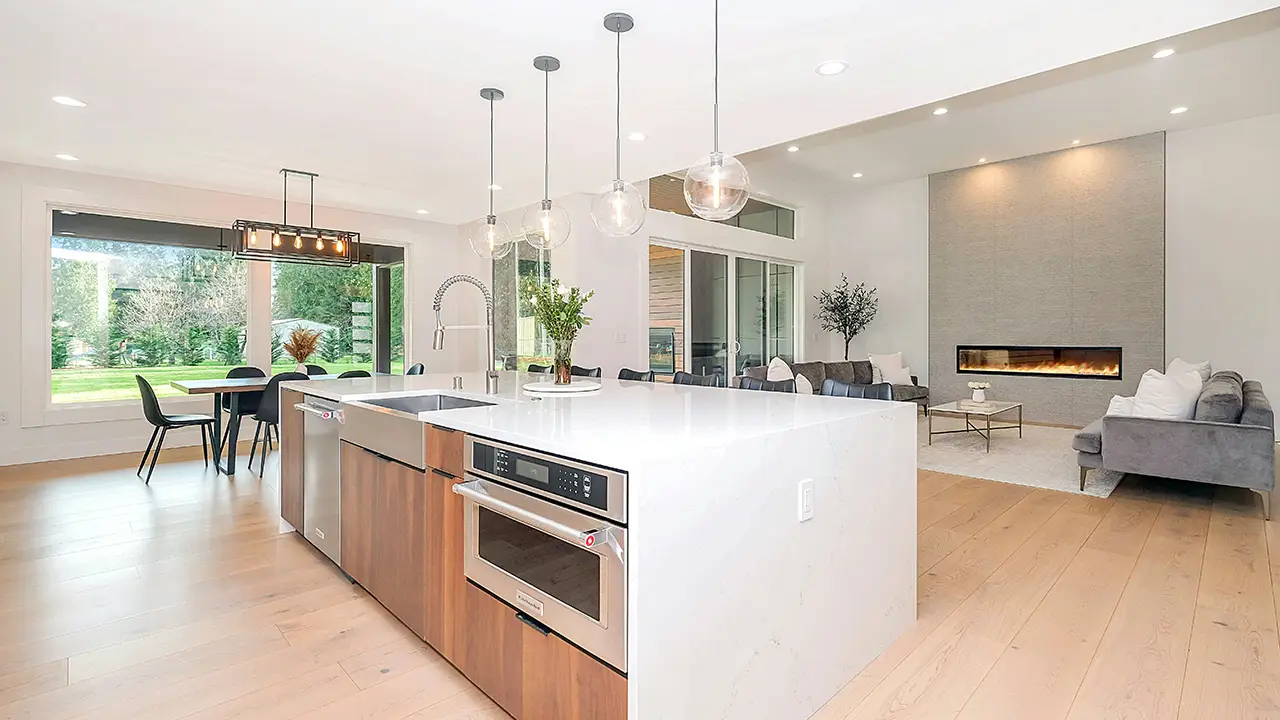
Detached homes in Etobicoke range widely depending on the neighbourhood. South Etobicoke and areas near the subway corridor tend to command higher prices. North Etobicoke is more affordable and offers more land for the money.
Compared to other parts of Toronto, Etobicoke is still one of the more affordable options for buyers who need space. You can find semi-detached homes and even detached properties at price points that simply don’t exist in East York or the Beach anymore. For a full picture of how costs break down across the community, see this post on whether Etobicoke is affordable.
Condo options have expanded too, particularly around Humber Bay and Islington City Centre West. Waterfront condos near the lake carry a premium, but the views and trail access justify the cost for a lot of buyers.
Etobicoke Moving Checklist: Planning Your Move
Etobicoke moving logistics are manageable if you plan ahead. Here’s what I’d suggest thinking through before moving day:
Your moving timeline matters. Give yourself at least four to six weeks from firm offer to move-in to coordinate everything: experienced movers, utilities, mail forwarding, and any unpacking services you want to bring in.
Update your new address early. Banks, CRA, employer payroll, Service Ontario, and your insurance provider all need your new address. Don’t leave this for moving day.
Book movers before they’re gone. Spring and early fall are peak seasons. Last minute stress is avoidable. Lock in your movers as soon as your closing date is confirmed.
Know your parking situation. If you’re moving into a condo building, check elevator booking policies and loading dock rules in advance. Missing that window creates real problems on moving day.
Getting a Moving Quote
When you’re getting a moving quote, don’t just go with the lowest number. Check whether the quote includes packing materials, stair fees, and long-carry charges, because those add up. Ask specifically whether the rate is binding or whether they can adjust it on moving day.
For a move within Etobicoke or from downtown Toronto into the area, most reputable movers will do an in-home or virtual estimate. That’s worth doing before you commit.
What the Nicest Part of Toronto Is (Honestly)
People ask me this a lot, and the honest answer is: it depends entirely on what you’re optimizing for. If walkability and nightlife matter most, you want the downtown core or the east end. If you want a backyard, quiet streets, and the ability to breathe, Etobicoke and other parts of the west end win.
For families in particular, south Etobicoke, especially around the waterfront, is as liveable a neighbourhood as exists in this city. The combination of lake access, the Martin Goodman Trail, good transit to downtown, and real housing at real prices is hard to match.
Ready to Make the Move?
Moving to a new neighbourhood is a big decision, and the research you do now makes a real difference in how satisfied you’ll be a year from now. Etobicoke offers something genuine: space, community, access to the waterfront, and a smooth transition into Toronto life without the downtown price tag.
If you’re weighing your options or want to talk through specific neighbourhoods, reach out to an Etobicoke real estate agent who knows the area and let’s figure out where you actually belong.