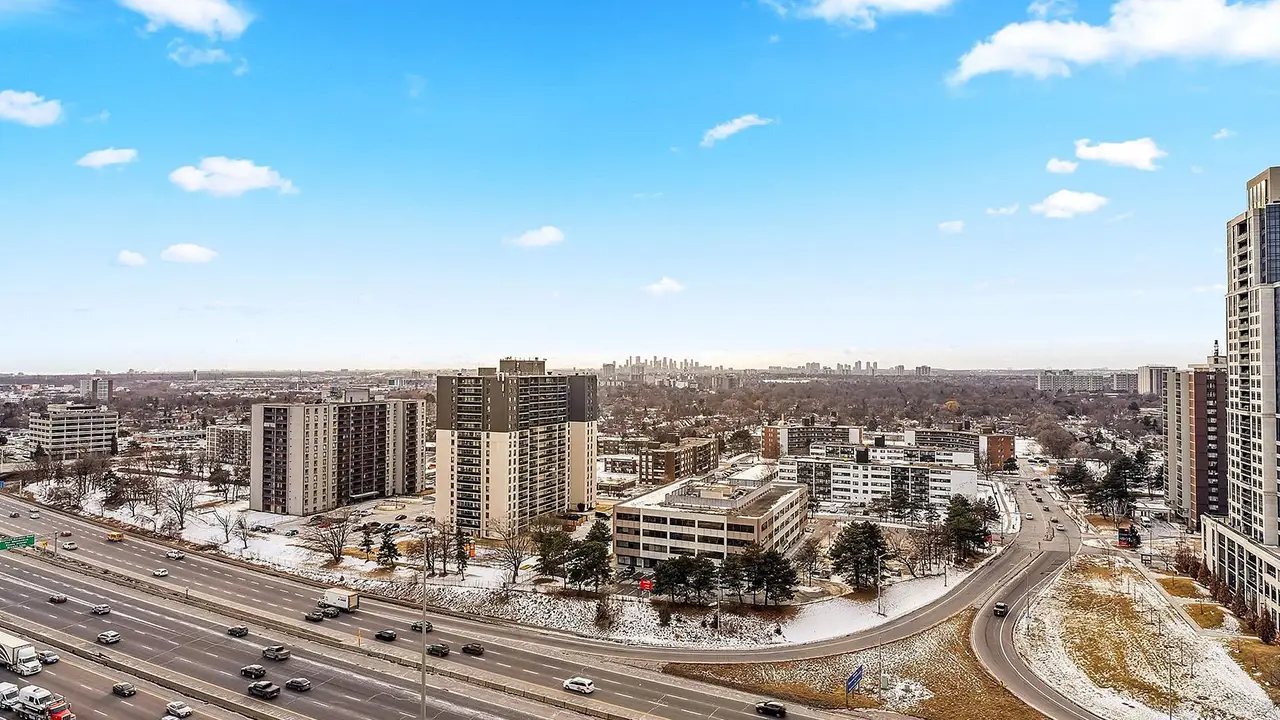
What does it cost to live in Etobicoke? The cost of living in Etobicoke is lower than in the city centre for most people, mainly because housing costs less per square foot. But the gap depends on how you live.
I help clients buy and rent across west Toronto, so I hear this question weekly. Most people want a number. The honest answer is a method: know each category, then build your own budget.
Etobicoke is part of the City of Toronto, so you pay city levies and use the TTC. You also get more space, more green, and quieter streets than downtown.
This guide breaks down housing, transit, utilities, groceries, and city charges. You will finish with a clear way to estimate your monthly expenses. For a deeper look at value, read my page on whether Etobicoke is affordable.
What Is the Average Cost of Living in Toronto?
Toronto is one of the costliest cities in Canada. Housing drives most of the bill. Food, transit, and services follow. Etobicoke sits inside this city, so it shares the same base costs, with one big difference: what you pay for a place to live.
Why Etobicoke Costs Less Than the City Centre
Etobicoke has a mix of high-rise condos and single-family homes, with larger homes, older buildings, and fewer luxury towers. Demand is lower than near King Street or Yorkville. Lower demand keeps rent and prices lower in many pockets. I once showed a couple a two-bedroom near Kipling for much less than a similar unit downtown. They gained a bedroom and a parking spot.
Costs Differ by Neighbourhood
Etobicoke is large. The Humber Bay Shores waterfront, Islington Village, Mimico, and The Kingsway all price differently. Waterfront condos cost more. Older bungalows in the north cost less. Check recent sales in your target area, not the whole district.
A street ten minutes from a subway stop often costs thousands more than one a bus ride away. Walk each block at different times of day before you narrow your list.
Housing Costs in Etobicoke
Housing is your largest expense, and it is the part you control most. Small choices here, such as size, floor, and location, change your monthly bill more than any other decision. Rent or mortgage, plus fees and levies, will take the biggest share of your income.
Renting in Etobicoke
Rental prices vary by building age, size, and distance from transit. Newer condos along the waterfront cost more. Older apartment buildings and basement units near Islington or Kipling cost less. When you compare, ask what the rent includes. Heat, water, and parking change the real price.
A cheaper unit with parking and utilities extra costs more each month than a pricier one with both included. Do the math on paper for each option. Utilities are sometimes part of the rent and sometimes not.
Buying a Home: Down Payment, Interest Rates, and Your Mortgage Broker
Buying costs more upfront but builds equity. Your down payment is the first hurdle. Lenders set minimums based on the price, and you need cash for closing costs too. Talk to a mortgage broker early. They compare lenders and show you what interest rates fit your situation. Rates change often, so I never quote them here.
Land Transfer Tax and Closing Costs
Buying in Etobicoke means paying two land transfer taxes: one to Ontario and one to the City of Toronto. First time buyers get rebates on both. The city rebate is up to $4,475. Plan for legal fees and title insurance as well. Ask your lawyer for exact numbers before you make an offer.
Property Taxes and Condo Fees
Homeowners pay property taxes to the city. Condo owners also pay monthly fees for upkeep, amenities, and sometimes utilities. Add these to your monthly budget. A lower price with high fees is not always a better deal. I compare the full monthly cost on every property my clients tour.
One client loved a low-priced condo until we added the fees, tax, and insurance. A slightly dearer townhouse cost less each month.
Transportation and Everyday Living Costs
Transit is the second place Etobicoke saves or costs you, depending on where you live. Areas near the subway cost more to buy but less to travel from. Think of it as a trade: pay more for the home, or pay more each day to get around.
Run both numbers over five years before you choose. Many buyers are surprised by the result.
Using the TTC from Etobicoke
A TTC single fare is $3.30 with Presto, debit, or credit. After 47 eligible fares in a calendar month, the rest of your trips in the month are free. This is a strong deal for daily commuters. Line 2 serves Islington, Kipling, and other stations. GO Transit stops at Mimico, Long Branch, and Etobicoke North.
Owning a Car
Many Etobicoke residents drive. Roads are wider and parking is easier than downtown. But cars cost money. Insurance in Toronto is high, and gas, repairs, and parking add up. If you live near a subway station, you might do fine with one car or none. Count the full cost before you decide.
Add insurance, fuel, repairs, parking, and the cost of replacing the car over time. Then compare this total to TTC fares under monthly fare capping. Transportation expenses vary a great deal between public transit and car ownership, and for most households, public transit costs less than driving in Toronto.
Basic Utilities, Internet, and Phone
Utilities are the cost people forget. They are small each month and large across a year. Basic utilities include hydro, water, and heat. Houses use more than condos, and older homes lose more heat. Add internet and a phone plan on top. Ask the seller or landlord for past bills.
A year of bills shows the real cost, and it takes five minutes to request. Ask about winter bills in particular, since heating costs peak from December to March. Health care for eligible residents is covered by OHIP, so basic doctor visits do not add to your monthly budget.
Monthly Costs for a Single Person vs a Family
Monthly costs in Etobicoke depend on who lives in the home. A single person needs less space and spends less on food, gas, and entertainment. A family needs more bedrooms, more groceries, and often a second vehicle. Family members add extra expenses, such as child care, school supplies, and activities.
Living Comfortably on One Income
A single person living comfortably in Etobicoke often shares an apartment with roommates or rents a one-bedroom near the subway. Find roommates through friends or trusted listings. Monthly rent drops fast when you split a place. Keep leisure and entertainment spending in check, and track additional costs such as phone plans and electricity. Food prices swing, so plan meals around sales.
What Families Should Add to the Budget
Families should add child care, extra insurance, and larger grocery bills. The average price of a family home is much higher than a condo, so housing options matter. Other expenses include lessons, sports, and clothing. Prices for services in the Greater Toronto Area are similar, so compare major cities carefully before you decide where to live in Ontario and Canada. Plan a lifestyle you afford with the dollars you have.
Groceries and Daily Spending
Food is where habits matter most. Groceries cost about the same across Toronto, though Etobicoke has big-box stores and many ethnic markets with good prices. Shopping at large stores helps you save money. Eating out is cheaper in many neighbourhoods than downtown. Set a monthly food budget and track it for two months.
You will see where the money goes. Most households find a few small leaks, such as unused subscriptions or daily takeout coffee. Fixing those frees money for savings.
Common Budget Questions
Clients ask me the same few things. Here are honest answers.
Where to Find Affordable Housing in Etobicoke
Start with a clear budget. Look at older apartment buildings, basement units, and neighbourhoods farther from the lake. Areas in the north and near Highway 401 often cost less. Compare commute times, since saving on rent but spending more on travel erases the gain. My page on moving to Etobicoke lists areas to consider.
Is $80,000 a Good Salary in Toronto?
For a single person, it is workable. It will not make you rich. Housing guidelines say to keep rent or mortgage near 30 percent of gross income. Roll in taxes, transit, and savings, and you need a plan.
Two incomes make Toronto much easier. If you earn alone, aim for a unit below the 30 percent mark, keep your debts low, and build an emergency fund first. A financial planner helps with the exact figures.
Is Living on $3,000 a Month in Canada Possible?
In most of Toronto, it is tight. Rent alone would use most of it. A shared room or a basement suite makes it more realistic. In smaller cities it is easier. If you have this budget, I suggest a roommate and a unit near the subway. Skip the car. Cook at home most days.
Many newcomers start this way and move to their own place as their income grows. I have helped several do exactly this.
How Etobicoke Compares to Other Cities
Many clients compare Etobicoke to Oakville and Mississauga. Oakville often costs more for homes of the same size. Read my comparison of Etobicoke vs Oakville if you are choosing between them. Mississauga offers more suburban space, but commutes to downtown are longer for many residents. Etobicoke keeps you inside Toronto, which means TTC access and city services. Weigh the trade based on your workplace and family needs.
Mississauga and Brampton also draw buyers from Toronto, so compare prices across major cities in the Greater Toronto Area.
Tips to Save Money in Etobicoke
Rent a unit near the subway to cut car costs. Buy in a mid-priced pocket instead of the waterfront. Shop at large grocery stores. Use fare capping on the TTC. Review your insurance each year. Small choices add up to thousands saved.
Review your budget every six months, because rent, rates, and prices shift. A short check-in keeps your plan honest. Ask your landlord or lender about better terms once a year as well.
The Real Cost of Living in Etobicoke: Ready to Plan Your Move?
The real number is the sum of your own choices. Start with housing, add transit and food, and build a monthly number you trust. Then test it. Live on this number for two months before you sign anything long. Adjust, and then choose with confidence.
If you’re weighing your options and not sure where to start, I’m always happy to talk it through. Reach out to me directly at Shoreline Realty, or visit my Etobicoke real estate agent page to get started.